
Activate Your Core — The Secret to Total Strength
Activate Your Core — The Secret to Total Strength
Core strength is the foundation of overall fitness, functional performance, and injury prevention. Experts emphasize that a strong core is not just about visible abs; it encompasses the muscles of the abdomen, lower back, hips, and pelvis, which work together to stabilize the spine and support movement. Activating your core effectively enhances posture, balance, strength, and power, providing a solid base for nearly every exercise and daily activity. By focusing on core engagement, you can unlock total body strength, improve athletic performance, and reduce the risk of injury during both workouts and everyday tasks.
The first principle of effective core activation is mind-muscle connection. Simply performing core exercises without intentional engagement often limits results. Experts recommend focusing on proper technique and consciously contracting core muscles during each movement. Whether performing planks, crunches, or rotational exercises, maintaining tension in the abdominal and stabilizing muscles ensures maximum activation. Mental focus on the core improves neuromuscular efficiency, allowing your body to recruit the correct fibers and enhance strength development.
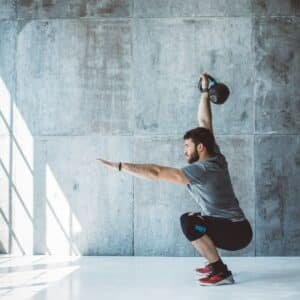
Functional core training goes beyond isolated ab exercises. Movements such as squats, deadlifts, overhead presses, and kettlebell swings require core stabilization to transfer force efficiently between the upper and lower body. Experts stress that integrating core activation into compound movements enhances total strength while simultaneously improving balance, coordination, and movement efficiency. Functional core training ensures that strength gains translate into real-world performance, rather than remaining limited to aesthetic development.
Plank variations and anti-rotation exercises are highly effective for strengthening deep core muscles. Front planks, side planks, and pallof presses target the transverse abdominis, obliques, and stabilizing muscles that are often neglected in traditional workouts. These exercises improve spinal stability, reduce injury risk, and enhance power transfer during dynamic movements. Fitness professionals recommend incorporating a variety of plank and anti-rotation exercises into routines to ensure comprehensive core development and balanced strength.
Rotational and dynamic core exercises are essential for building functional strength and improving athletic performance. Movements such as Russian twists, medicine ball throws, cable rotations, and woodchoppers engage obliques and transverse muscles while simulating real-life and sports-specific motions. Experts emphasize that dynamic exercises train the core to resist and generate rotational forces, which is critical for sports requiring agility, quick changes in direction, or throwing and striking movements. Combining static and dynamic core exercises creates a versatile, powerful midsection.
Breathing and bracing techniques further enhance core activation. Proper diaphragmatic breathing, combined with abdominal bracing, stabilizes the spine and increases intra-abdominal pressure, allowing for greater force production and safer execution of heavy lifts. Fitness professionals recommend practicing controlled inhalation and exhalation patterns during lifts, bracing the core before movement, and maintaining stability throughout. These techniques ensure that core engagement supports both strength and performance while reducing the likelihood of injury.
Integration with overall strength training is key to maximizing total strength. Experts highlight that a weak core can limit performance in squats, deadlifts, presses, and other compound lifts. Strengthening and activating the core allows for more efficient force transfer, greater power output, and improved lifting mechanics. Incorporating targeted core exercises alongside traditional resistance training creates synergy between stability and strength, resulting in more effective workouts and faster progress.
Core endurance and conditioning are also important for total strength. Holding positions such as planks for extended periods, performing high-repetition rotational exercises, and integrating core work into circuit or HIIT sessions improves muscular endurance. A well-conditioned core maintains stability during prolonged or high-intensity activity, prevents fatigue-related breakdown in form, and supports sustained strength performance across various exercises and activities.
Recovery and mobility contribute to optimal core function. Tight hip flexors, hamstrings, or lower back muscles can compromise core activation and movement efficiency. Experts recommend incorporating stretching, foam rolling, and mobility drills to improve flexibility, release tension, and enhance muscle recruitment. Maintaining mobility allows the core to engage fully during exercise, supporting both performance and injury prevention.
Nutrition and body composition also play a role in core visibility and function. While core strength is independent of appearance, reducing excess body fat through balanced nutrition can highlight muscle definition, improve movement efficiency, and encourage adherence to training routines. Experts emphasize that core activation, strength development, and proper body composition together create a foundation for both functional and aesthetic results.
Finally, consistency and progressive overload are essential for unlocking the full benefits of core training. Gradually increasing the difficulty, duration, or intensity of core exercises challenges muscles to adapt, promoting strength and endurance gains. Fitness professionals recommend structured routines that combine static holds, dynamic movements, functional integration, and core-focused resistance work to achieve comprehensive development. Consistent practice ensures that the core remains strong, responsive, and capable of supporting total-body strength over time.
In conclusion, activating your core is the secret to total strength. By combining mind-muscle connection, functional exercises, static and dynamic core work, bracing techniques, integration with compound lifts, endurance training, mobility, and consistency, you can build a strong, stable midsection that enhances performance, supports athleticism, and reduces injury risk. Experts consistently emphasize that core activation is foundational to every movement and strength goal. Focusing on this critical area transforms not only the midsection but the body as a whole, creating a resilient, powerful, and well-balanced physique capable of achieving peak performance.