
Nutrition Strategies the Pros Swear By
Nutrition Strategies the Pros Swear By
Nutrition is the foundation of peak performance, and professional athletes and fitness experts know that what you eat can be as important as how you train. Nutrition strategies the pros swear by are not about extreme dieting or quick fixes; they are evidence-based, sustainable approaches designed to optimize energy, recovery, muscle growth, and overall health. Whether your goal is fat loss, lean muscle building, endurance, or general fitness, applying these professional strategies ensures your body performs at its best and adapts efficiently to the demands of training.
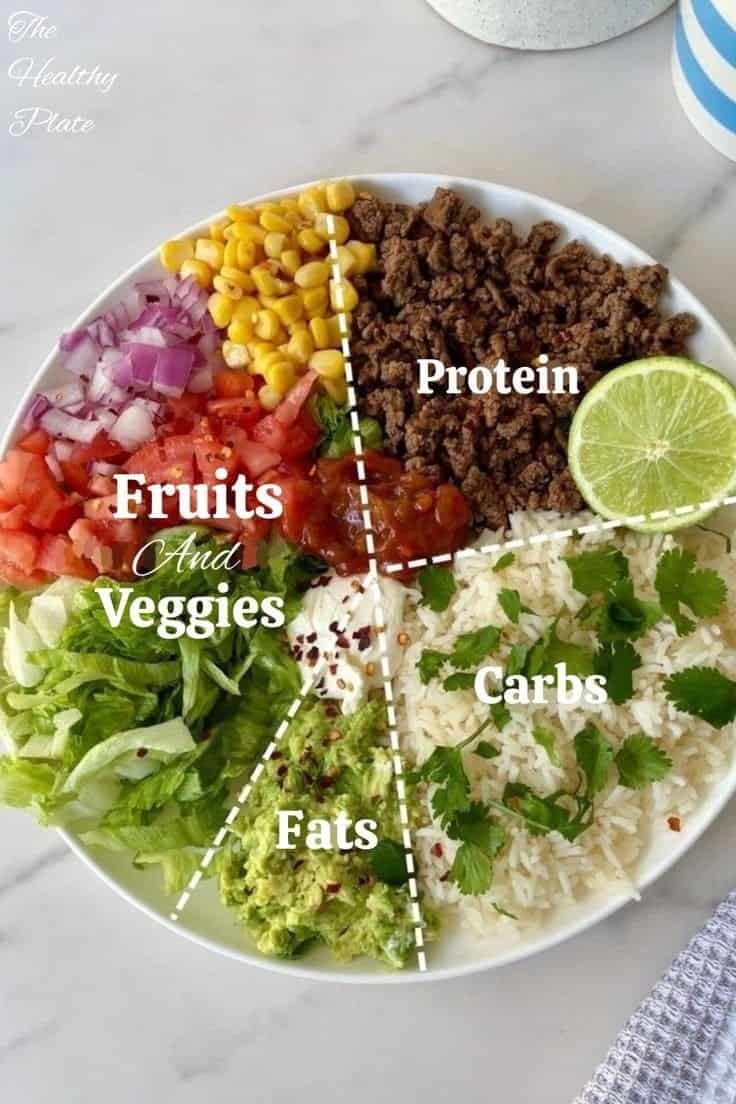
One of the key principles professionals follow is macronutrient balance. Athletes carefully adjust their intake of proteins, carbohydrates, and fats to match their energy requirements and fitness goals. Protein is essential for muscle repair and growth, carbohydrates fuel high-intensity workouts and replenish glycogen stores, and healthy fats support hormone production, brain function, and long-term energy. Pros pay attention not just to quantity but also to quality, choosing lean proteins, complex carbs, and nutrient-dense fats to fuel optimal performance and recovery.
Meal timing and nutrient distribution are another cornerstone of pro nutrition. Experts often strategically plan their meals around training sessions, consuming pre-workout meals to maximize energy and post-workout nutrition to promote recovery. Pre-workout meals typically include easily digestible carbs and moderate protein to provide fuel, while post-workout meals focus on protein and carbs to repair muscle and replenish glycogen. This careful timing enhances performance, accelerates recovery, and maximizes muscle adaptation from every workout.
Hydration is another strategy the pros never overlook. Proper hydration supports every physiological process, including muscle contraction, joint lubrication, digestion, and thermoregulation. Even mild dehydration can reduce performance, slow recovery, and impair cognitive function. Fitness professionals ensure they maintain adequate fluid intake throughout the day and supplement with electrolytes during prolonged or intense sessions to prevent fatigue and optimize endurance.
Micronutrients and supplementation are also central to professional nutrition strategies. Vitamins and minerals play critical roles in energy production, muscle function, and immune support. While a well-balanced diet provides most micronutrients, athletes may supplement with vitamin D, magnesium, omega-3 fatty acids, or multivitamins to address specific needs. Protein powders, creatine, and branched-chain amino acids (BCAAs) are commonly used to complement a balanced diet, providing targeted support for recovery, muscle growth, and performance without replacing whole foods.
Professional athletes also emphasize portion control and energy balance. Consuming the right number of calories to support activity while avoiding excess is essential for maintaining body composition and fueling performance. Overeating, even with healthy foods, can hinder fat loss or lead to unwanted weight gain, while under-eating can impair recovery and reduce strength. Experts carefully monitor energy intake and adjust meals based on activity levels, goals, and metabolic needs to maintain optimal performance and health.
Recovery nutrition is another strategy the pros prioritize. After intense training sessions, the body requires nutrients to repair muscle, reduce inflammation, and replenish energy stores. Pros often use protein-rich meals or shakes, combined with carbohydrates, to maximize muscle protein synthesis and accelerate recovery. Incorporating antioxidants and anti-inflammatory foods, such as berries, leafy greens, and fatty fish, further supports tissue repair and reduces oxidative stress, allowing them to train consistently without injury or fatigue.
Variety in diet is a key factor in professional nutrition. Consuming a wide range of nutrient-dense foods ensures adequate intake of essential vitamins, minerals, and phytochemicals while preventing dietary boredom. Athletes focus on whole, minimally processed foods and rotate sources of protein, carbs, and fats to optimize nutrient density. This approach also supports gut health, immunity, and long-term sustainability, making it easier to adhere to healthy eating patterns consistently.
Another strategy pros swear by is personalization. Nutrition is not one-size-fits-all; individual factors such as body type, metabolism, activity level, and fitness goals require tailored plans. Athletes work with nutritionists or trainers to create personalized meal plans that maximize performance and recovery. Monitoring progress, adjusting macronutrient ratios, and refining strategies based on results ensures that nutrition supports specific training demands and long-term objectives.
Mental strategies and mindset around nutrition are also crucial. Professionals view food as fuel rather than punishment or reward. This positive approach encourages adherence, reduces stress around eating, and allows for occasional indulgences without guilt. Planning, preparation, and mindfulness around meals help maintain consistency, prevent impulsive eating, and reinforce long-term healthy habits.
In conclusion, nutrition strategies the pros swear by focus on macronutrient balance, meal timing, hydration, micronutrients and supplementation, portion control, recovery nutrition, dietary variety, personalization, and a positive mindset. By adopting these evidence-based strategies, fitness enthusiasts can optimize performance, accelerate recovery, build lean muscle, and maintain overall health. Professionals demonstrate that nutrition is not about extremes but about intelligent, consistent choices that support every aspect of training and lifestyle. Applying these strategies ensures that your body functions at its best, adapts effectively, and achieves sustainable, long-term results in fitness and performance.